


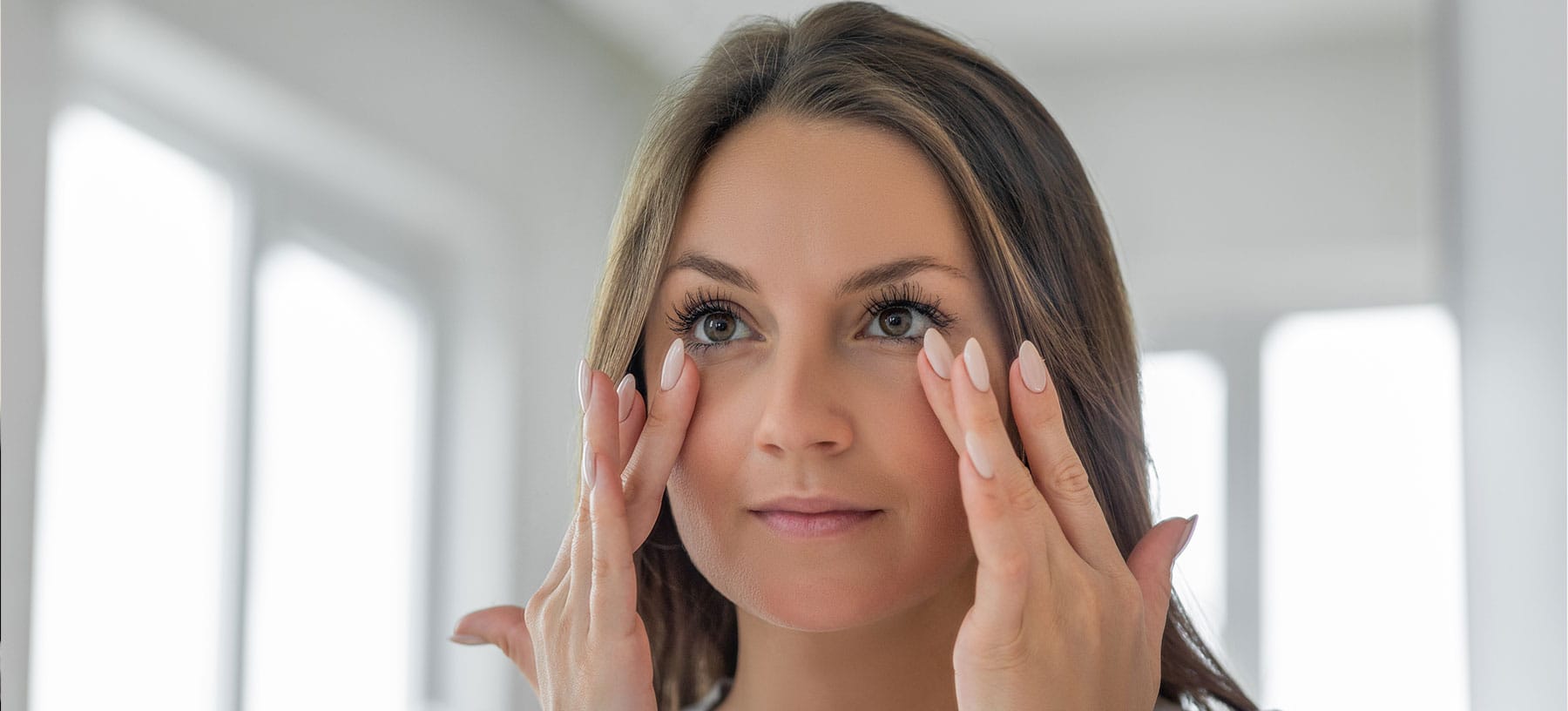
The eyes are often called the windows to the soul, but they’re also one of the first areas to show signs of aging. Our estheticians have spent years helping patients address concerns around their eye area using dermal fillers. The delicate skin around our eyes, combined with constant movement from blinking and facial expressions, makes this region particularly vulnerable to volume loss, hollowing, and the formation of lines.
When patients come to Inspire Aesthetics asking about eye rejuvenation, they’re usually concerned about dark circles, hollow tear troughs, or crow’s feet. While surgical options exist, dermal fillers have revolutionized how we approach these concerns, offering impressive results with minimal downtime. However, treating the eye area requires exceptional skill and a deep understanding of facial anatomy. The proximity to vital structures and the thin, delicate skin make this one of the most challenging areas to inject.
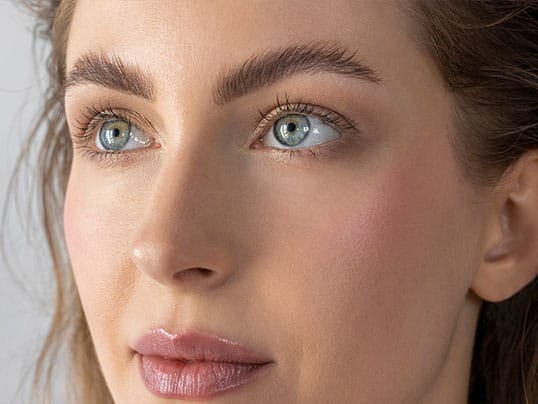
In our experience, the right approach to eye area rejuvenation can take years off someone’s appearance. We’ve seen patients leave our office looking refreshed and revitalized, often commenting that friends notice they look well-rested but can’t pinpoint exactly what’s different. That’s the hallmark of excellent filler work – natural-looking results that enhance rather than alter your appearance.
Understanding the Anatomy and Aging Process
The eye area is anatomically complex, with multiple layers of tissue, blood vessels, and delicate structures all working together. As we age, several changes occur simultaneously. The fat pads that provide youthful volume begin to shrink and descend. The bone structure of the orbital rim can resorb, creating less support for overlying tissues. The skin itself becomes thinner and loses elasticity, while repetitive muscle movements create dynamic wrinkles that eventually become static lines.
The tear trough, that groove running from the inner corner of the eye toward the cheek, becomes more pronounced as we lose volume in the area. This creates shadows that we perceive as dark circles, even when pigmentation isn’t the primary issue. Many patients are surprised to learn that their “dark circles” are actually shadows created by volume loss rather than skin discoloration.
A Comprehensive Approach to Assessment
Understanding these changes is crucial for developing an effective treatment plan. In our practice, our team always conducts a thorough assessment, examining not just the immediate eye area but the entire upper face. The relationship between the brow, temple, upper cheek, and eye area all influence how we perceive aging around the eyes. Sometimes, addressing volume loss in the temple or upper cheek can dramatically improve the appearance of the eye area without directly injecting the tear trough.
We’ve learned that successful eye rejuvenation isn’t just about filling hollows – it’s about restoring the natural contours and transitions that create a youthful appearance. This requires an artistic eye and a comprehensive understanding of how different facial structures interact.
Types of Fillers and Their Specific Applications
Not all dermal fillers are suitable for the eye area. The thin skin and proximity to blood vessels require products with specific characteristics. At Inspire Aesthetics, we primarily use hyaluronic acid fillers for this delicate region, though the specific product depends on the individual patient’s needs and anatomy. For comprehensive information about the science behind these treatments, you can find details on dermal fillers for eyes in current medical literature.
Choosing the Right Filler for Tear Trough Correction
For tear trough correction, our estheticians prefer using softer, more fluid fillers that integrate smoothly with the tissues. Products like Restylane or Belotero Balance work well here because they’re less likely to create lumps or irregularities under the thin skin. These fillers can effectively address hollowing without creating the puffy or overfilled appearance that sometimes occurs with thicker products.
Fillers for Fine Lines and Crow’s Feet
When treating fine lines and crow’s feet, we might use an even softer product or employ specific injection techniques that allow the filler to spread evenly across the area. Some newer fillers are specifically designed for superficial injection and work beautifully for those fine lines that appear when you smile.
For patients with more significant volume loss extending into the upper cheek, we might use a slightly more robust filler to provide structural support. The key is selecting products that match the specific tissue characteristics of each area. We’ve found that using the wrong product consistency is one of the most common mistakes in eye area treatment.
Alternative Filler Options
It’s worth noting that while our estheticians primarily use hyaluronic acid fillers for their safety profile and reversibility, other options exist. Some practitioners use poly-L-lactic acid or calcium hydroxylapatite in certain situations, though we find these less ideal for the delicate eye area. The ability to dissolve hyaluronic acid fillers if needed provides an important safety net when working in this sensitive region.

The Treatment Process and What to Expect
When a patient comes to our practice for eye area rejuvenation, the process begins with a comprehensive consultation. Our estheticians will examine the area under different lighting conditions and have the patient make various expressions to understand how their tissues move. We discuss their specific concerns, medical history, and expectations. I’m always honest about what fillers can and can’t achieve – sometimes, surgical intervention might be more appropriate.
On treatment day, our estheticians start by thoroughly cleansing the area and applying a topical numbing cream. While most modern fillers contain lidocaine for comfort, the eye area is particularly sensitive, so we take extra steps to ensure patient comfort. Some patients worry about bruising, which is a valid concern given the vascular nature of this area. We use specific techniques and often employ a cannula rather than a needle to minimize this risk.
Injection Technique and Safety
The injection process itself typically takes 15-30 minutes, depending on the areas being treated. We work slowly and methodically, constantly assessing the results as we go. The amount of filler used varies greatly between patients – some need just 0.5cc per side, while others might require 1-2cc to achieve optimal results. Our estheticians always err on the side of caution, as it’s easier to add more filler later than to deal with overcorrection.
Aftercare and Recovery
Immediately after treatment, patients might experience mild swelling or redness, which typically resolves within a few hours to a few days. We provide detailed aftercare instructions, including avoiding strenuous exercise for 24 hours and sleeping with the head elevated to minimize swelling. Most patients can return to normal activities immediately, though we recommend avoiding important social events for at least a week to allow any bruising or swelling to resolve.
Risks, Results, and Realistic Expectations
While dermal fillers are generally safe when performed by experienced practitioners, the eye area does carry specific risks that patients should understand. The most serious potential complication is vascular occlusion, where filler inadvertently enters a blood vessel. This is why choosing an experienced injector who understands facial anatomy is crucial. In our practice, we use specific safety techniques and are always prepared to handle any complications should they arise. Recent research provides additional details on dermal fillers for eyes regarding safety protocols and best practices.
Common Side Effects and How to Minimize Them
More common side effects include bruising, swelling, and temporary asymmetry. We’ve found that patients who follow pre-treatment guidelines – avoiding blood thinners, alcohol, and certain supplements – have significantly less bruising. The Tyndall effect, where filler placed too superficially creates a bluish discoloration, is another risk specific to the tear trough area. This is why proper placement depth is critical.
Results from eye area fillers are typically visible immediately, though the final outcome becomes apparent after about two weeks once any swelling subsides. The longevity varies depending on the product used and individual metabolism, but most patients enjoy results for 9-15 months. We’ve noticed that results tend to last longer with subsequent treatments, possibly because the filler stimulates some collagen production.
Setting Realistic Expectations
It’s important to have realistic expectations. While fillers can dramatically improve hollowing and shadows, they can’t address skin laxity, significant fat prolapse, or deep wrinkles caused by skin damage. Some patients need complementary treatments like laser resurfacing or even surgical intervention to achieve their desired results. Our estheticians always discuss these limitations during consultation to ensure patients make informed decisions.
Frequently Asked Questions
How much do eye area fillers cost?
The cost varies depending on the amount of product needed and the specific areas being treated. In our Delray Beach location, patients typically invest between $600-$1,500 per treatment session. While this might seem significant, consider that results last up to a year or more, making the daily cost quite reasonable.
Can fillers really help with dark circles?
If your dark circles are caused by volume loss creating shadows, then yes, fillers can be remarkably effective. However, if the darkness is due to pigmentation or visible blood vessels through thin skin, fillers alone won’t address the issue. During consultation, our estheticians can determine the cause and recommend appropriate treatment.
How long does the procedure take, and when can I return to work?
The injection process usually takes 15-30 minutes. Most patients return to work immediately, though some prefer to schedule treatment before a weekend to allow any swelling or bruising to subside. We provide concealer recommendations for those who need to cover any temporary bruising.
Are eye fillers painful?
With proper numbing, most patients report minimal discomfort. The sensation is often described as pressure rather than pain. The eye area is more sensitive than other facial areas, but the procedure is generally well-tolerated.
What's the difference between Botox and fillers for crow's feet?
Botox relaxes the muscles that create crow’s feet when you smile, while fillers add volume to soften existing lines. Many patients benefit from combining both treatments for optimal results. Our estheticians often create comprehensive treatment plans incorporating both modalities.
When can I exercise again?
Ideal candidates have realistic expectations, are in good general health, and have volume loss or hollowing in the eye area. During consultation, we assess your specific anatomy and concerns to determine if fillers are appropriate or if other treatments might better serve your goals.
Getting Started with Dermal Fillers
The eye area remains one of the most rewarding regions to treat with dermal fillers. When done correctly, the results can be transformative, restoring a youthful, refreshed appearance that looks completely natural. If you’re considering eye area rejuvenation, we encourage you to seek consultation with an experienced esthetician who can assess your individual needs and create a customized treatment plan. The key to beautiful results lies not just in the products used, but in the skill and artistry of your injector.

Written by: Dr. Daniel Crane
Board-Certified Plastic Surgeon, Inspire Aesthetics
About Dr. Crane