

Let me be frank with you—breast augmentation remains one of the most rewarding procedures I perform at Inspire Aesthetics. After thousands of consultations in my Delray Beach office, I’ve learned that success hinges on two critical factors: understanding the surgical process and selecting the right implants for your unique anatomy and goals.
I often tell my patients that breast augmentation is both an art and a science. The science involves precise surgical technique and anatomical knowledge. The art? That’s where implant selection and aesthetic vision come together to create results that look and feel natural.
Many women arrive at my office with screenshots from Instagram or magazine clippings, saying “I want breasts like this.” While I appreciate having visual references, I always explain that the key to beautiful results isn’t copying someone else’s outcome—it’s finding what works perfectly for your body. Your friend’s 350cc silicone implants might give her the ideal look, but you might achieve your perfect result with something entirely different. If you’re ready to explore your options and discuss what’s right for your unique situation, I encourage you to schedule your consultation at our Delray Beach office.
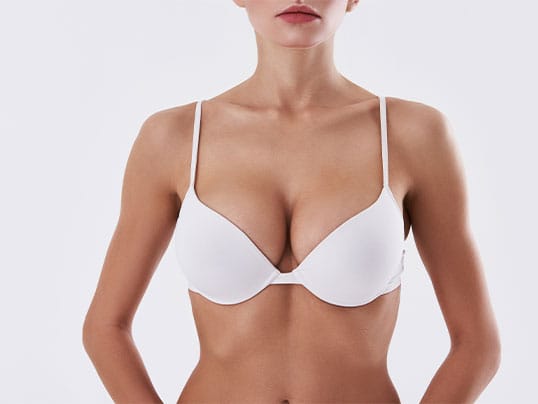
What surprises many patients is how personalized this procedure truly is. During our consultations at Inspire Aesthetics, I spend considerable time discussing not just size, but projection, width, and how different implant characteristics will interact with your existing breast tissue. This comprehensive approach ensures we’re not just increasing breast size—we’re enhancing your entire silhouette in a way that complements your natural proportions.
Understanding Breast Augmentation
The breast augmentation procedure itself typically takes between one and two hours, though I never rush. I’ve learned that taking the time to ensure perfect pocket creation and symmetrical placement makes all the difference in the final result.
Before the Procedure
Before surgery, we’ll meet in my Delray Beach office for detailed markings. I mark the breast meridian, the proposed inframammary fold, and the boundaries of the pocket. These markings guide the entire procedure and ensure symmetry. My staff often jokes that I’m obsessive about these measurements, but precision at this stage prevents problems later.
During the Procedure
During surgery, I create a pocket either behind the breast tissue (subglandular) or behind the pectoralis muscle (submuscular). The choice depends on your anatomy, lifestyle, and the look you’re trying to achieve. Athletes and fitness enthusiasts often prefer subglandular placement to avoid animation deformity—that’s when the implant moves with muscle flexion. Women with minimal breast tissue usually benefit from submuscular placement for more natural-looking results.
The incision location is another crucial decision. I offer three options: inframammary (in the breast fold), periareolar (around the nipple), or transaxillary (through the armpit). Each has advantages. The inframammary approach gives me the most control and direct visualization, which is why I recommend it for most patients. The scar hides beautifully in the natural breast crease.
After creating the pocket, I use a Keller Funnel for silicone implants—think of it as a sterile pastry bag that allows no-touch insertion. This technique reduces contamination risk and minimizes tissue trauma. For saline implants, I insert them deflated and fill them once positioned, allowing micro-adjustments for perfect symmetry.
After the Procedure
Post-procedure, some surgeons will place surgical drains in about 20% of cases, particularly with larger implants or revision surgeries. While some surgeons routinely use drains, I’ve found that meticulous technique and proper hemostasis often make them unnecessary and therefore have never left a drain on a primary breast augmentation.
What to Expect
Choosing Between Saline and Silicone Implants
The saline versus silicone debate comes up in nearly every consultation. Both are FDA-approved and safe, but they offer different advantages. According to this comprehensive article on breast augmentation, both implant types have been extensively studied and refined over decades of use.
Silicone implants, filled with cohesive gel, provide the most natural feel. The latest generation—what we call “gummy bear” implants—maintain their shape even if the shell ruptures. When I’ve patients feel sample implants in my office, they almost universally prefer the silicone texture. It closely mimics natural breast tissue, especially important for women with minimal native breast tissue.
However, silicone requires a slightly longer incision (about 3.5cm versus 3cm for saline) and costs more. The FDA information also recommends periodic MRI screening to check for silent ruptures, though the newest highly cohesive gels make this less critical than with older implants.
Saline implants have their own advantages. They’re filled after insertion, allowing smaller incisions and precise volume adjustments. If a saline implant ruptures, you’ll know immediately—the breast deflates as your body harmlessly absorbs the saline. This eliminates worry about silent ruptures.
The downside? Saline can feel less natural, especially in thin patients. I describe it as the difference between a water balloon and a gel stress ball. Saline implants also have higher rates of visible rippling, particularly in the upper poles of the breasts.
For patients torn between options, I often recommend silicone for those prioritizing natural feel and appearance. Saline works well for patients who want peace of mind about rupture detection or need only modest augmentation. During consultations at our Delray Beach location, I have patients handle both types to make an informed decision.
Determining the Right Size and Profile
Implant sizing is where I see the most misconceptions. Patients often come in requesting a specific cup size, but bra sizing is notoriously inconsistent between manufacturers. Instead, I focus on dimensions and proportions.
I start by measuring your breast width, determining the maximum implant diameter that fits your anatomy. Trying to squeeze a 13cm-wide implant onto an 11cm breast base leads to problems—visible edges, symmastia (implants touching in the middle), and an unnatural appearance.
Once we establish the appropriate diameter, we discuss projection. Implants come in low, moderate, high, and extra-high profiles. Think of it this way: for the same volume, a high-profile implant is narrower and projects more, while a low-profile implant is wider and flatter.
Your lifestyle and aesthetic goals guide this choice. Patients wanting a subtle enhancement often prefer moderate profile. Those seeking more dramatic projection, especially with narrow breast bases, benefit from high-profile implants. I’ve noticed my athletic patients often prefer moderate profiles that don’t interfere with sports activities.
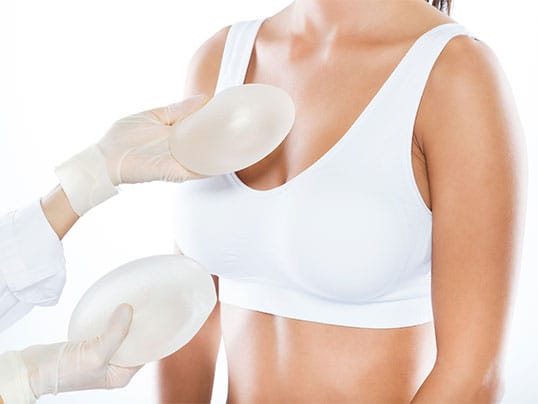
Volume selection involves trying on sizers in a surgical bra. I’ve patients wear different sizes under a form-fitting shirt, viewing themselves from multiple angles. What looks good standing might appear too large when lying down, so we evaluate various positions.
I always discuss the “rice test” for additional home evaluation. Fill pantyhose with rice to create different volumes, then wear them in your bra for a few hours. This gives you a sense of how different sizes feel during daily activities. Many patients find their initial size preference changes after living with sizers for a day.
Remember, breast implants will look larger immediately post-surgery due to swelling. They “drop and fluff” over several months as muscles relax and tissues stretch. I show before-and-after photos demonstrating this evolution, helping patients understand that initial appearance isn’t final.
Recovery Timeline
Recovery varies among patients, but I provide a detailed timeline so you know what to expect. Immediately post-surgery, you’ll spend about an hour in recovery at our facility. Once you’re alert and comfortable, you can go home with your designated driver.
As part of my post-operative care, I personally call each patient the evening following their breast augmentation surgery to check in and answer any questions. Most patients report feeling surprisingly well just hours after the procedure. I’ve even spoken to patients who were out for a light walk or getting their nails done the same afternoon. Of course, pain tolerance and recovery experiences vary from person to person, but in general, breast augmentation tends to have a relatively quick and manageable recovery compared to many other procedures we offer.
First Week
The first 48 hours may involve the most discomfort. I prescribe appropriate pain medication, though many patients transition to over-the-counter options by day three. Ice packs help reduce swelling, but never apply them directly to the skin.
By day three or four, most patients feel well enough for light activities. I encourage gentle walking to promote circulation and reduce swelling.
At one week, we’ll see you back at our Delray Beach office for follow-up. Most patients return to desk jobs at this point, though jobs requiring physical activity need longer recovery. I remove any sutures and assess your healing progress.
Weeks 2 Through 6
Weeks two through six involve gradual return to normal activities, including exercise depending on how you are healing. A well-regarded randomized controlled trial explored the topic of exercising early post-procedure in depth. At the one-year mark, there were no significant differences in complication rates or surgical outcomes among the groups who resumed early exercise and who avoided exercise. Additionally, the patients who exercised earlier reported greater overall satisfaction.
Months 3 through 6
Swelling resolves gradually over three to six months. Your implants will initially sit high and tight, then settle into a more natural position. This “dropping” process happens faster with saline and subglandular placement, slower with silicone and submuscular placement.
I provide all patients with specific scar care instructions. Once incisions heal, usually by week three, we start scar therapy with silicone strips or gel. Most scars fade significantly within a year, becoming thin white lines hidden in natural creases.
Long-Term Recovery
Long-term recovery involves annual check-ups. While modern implants don’t have expiration dates, they’re not lifetime devices. I tell patients to budget for replacement surgery every 10-15 years, though many implants last longer without issues.
Investment and Value
Breast augmentation offers a significant enhancement to a patient’s aesthetic appearance and confidence. While specific pricing details aren’t covered here, it’s important to consider the long-term investment in your self-esteem and satisfaction. During consultations at our clinic, we discuss the overall value, potential financing options, and any relevant medical factors influencing costs.
Frequently Asked Questions
How long do breast implants last?
Modern implants don’t have a specific expiration date, but they’re not considered lifetime devices. On average, I see patients for replacement between 10-15 years, though I’ve patients with 20-year-old implants still going strong. Regular monitoring helps identify when replacement might be needed.
When can I exercise again?
Light walking starts immediately to prevent blood clots. After two weeks, you can usually do light cardio. Weight training and core exercises wait until six to eight weeks. I provide a detailed timeline based on how you’re healing.
Will breast implants affect mammograms?
Implants do require additional mammogram views called Eklund displacement views. I always inform patients to tell their mammography technician about their implants. The additional views ensure complete breast tissue visualization. Breast cancer screening remains just as important after augmentation.
Can I breastfeed with implants?
Most women can successfully breastfeed after augmentation. The periareolar incision has slightly higher risk of affecting milk ducts, but even then, most patients nurse without issues. Implant placement doesn’t typically interfere with mammary gland function.
What are the main risks I should know about?
The primary concerns include capsular contracture (scar tissue tightening around the implant), implant rupture, and changes in nipple sensation. Infection risk is less than 1% with proper technique. I discuss all risks thoroughly during consultation and provide detailed informed consent. For comprehensive safety information, patients can review the detailed government resource on breast implants.
How do I know if my implant has ruptured?
Saline ruptures are obvious—the breast deflates within hours or days. Silicone ruptures can be “silent,” which is why the FDA previously recommended periodic MRI screening. However, modern highly cohesive silicone gels maintain their shape even if the shell breaks.
When can I exercise after surgery?
Walking starts immediately to prevent blood clots. Lower body workouts can resume at two weeks. Upper body exercises, especially chest workouts, should wait six weeks. I provide a detailed exercise timeline tailored to your procedure and recovery.
Will I lose nipple sensation?
Temporary numbness is common and usually resolves within several months. Permanent sensation changes occur in about 15% of patients. The risk varies with incision location and surgical technique. I take great care to preserve nerve pathways during surgery.
How do I prepare for surgery?
Stop smoking at least six weeks before surgery. Discontinue blood-thinning medications and supplements as directed. Arrange for someone to drive you home and stay with you the first night. Set up a comfortable recovery area with pillows, ice packs, and easy-to-prepare meals.
What if I want them removed later?
Implant removal is straightforward, though the aesthetic result depends on your skin quality and how long implants were in place. Some patients need a breast lift after removal. Others, particularly younger patients with good skin elasticity, return close to their original appearance.
Getting Started
If you’re considering breast augmentation, I encourage you to schedule a consultation at our Delray Beach office. Call us at (561) 504-1919 or visit inspireaesthetics.com. During our meeting, we’ll discuss your goals, examine your anatomy, and create a personalized surgical plan. My team and I are committed to helping you achieve beautiful, natural-looking results that enhance your confidence and complement your lifestyle. Don’t wait to take the next step toward the confidence you deserve—get started today and discover what breast augmentation can do for you.

Written by: Dr. Daniel Crane
Board-Certified Plastic Surgeon, Inspire Aesthetics
About Dr. Crane