


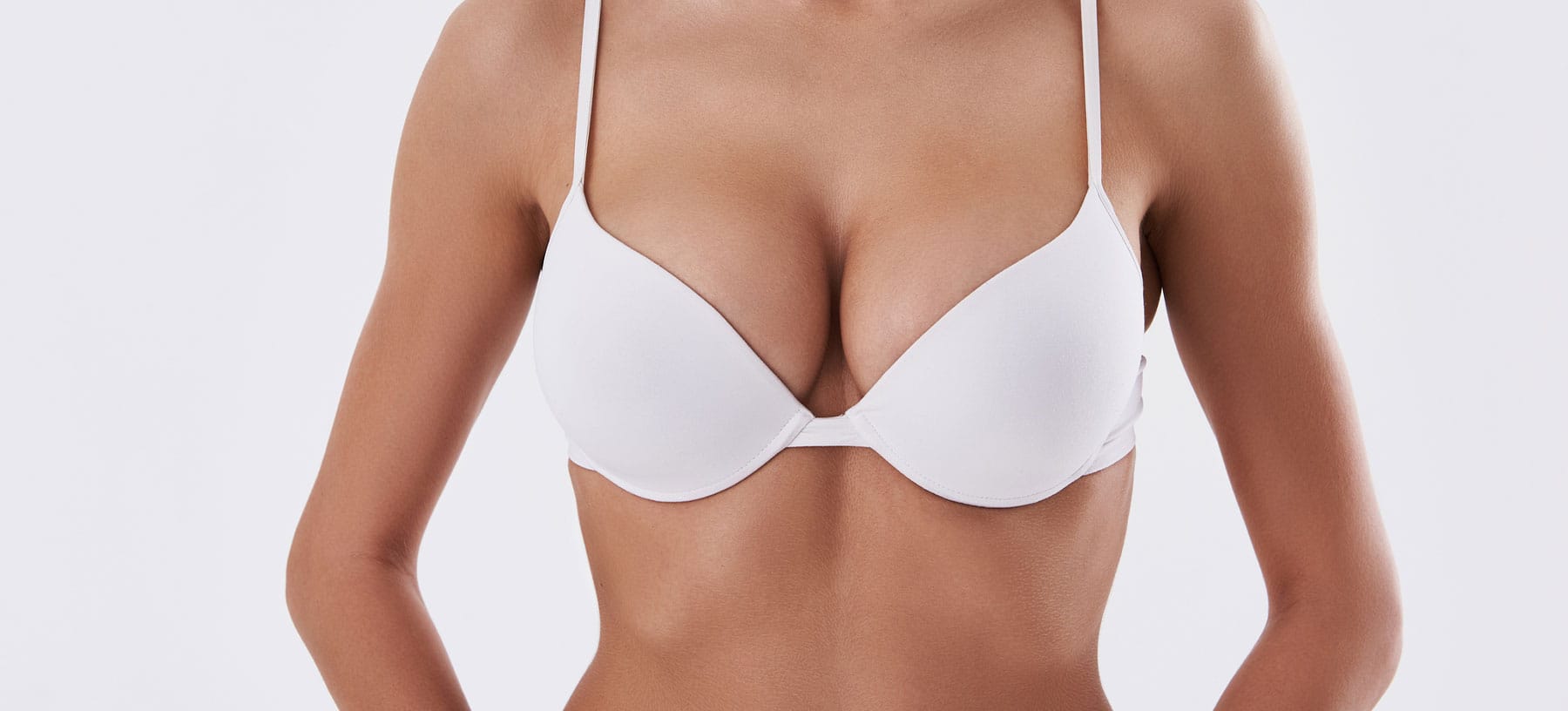
Yesterday a patient asked me about Motiva breast implants, and it reminded me why this topic needs clear explanation. As a board-certified plastic surgeon at Inspire Aesthetics, I use data, precise measurements, and a careful aesthetic eye to guide patients through choices that are both beautiful and safe. Motiva has unique features, and understanding them helps you decide whether they’re right for you. If you’re researching or Motiva breast implants, here’s what matters most.
In this guide, I’ll walk you through what Motiva breast implants are, how I plan and perform the procedure, what recovery looks like day-by-day, and the common questions I hear in consultations. If you want to browse before-and-after photos or start a consultation, you can always visit inspireaesthetics.com.
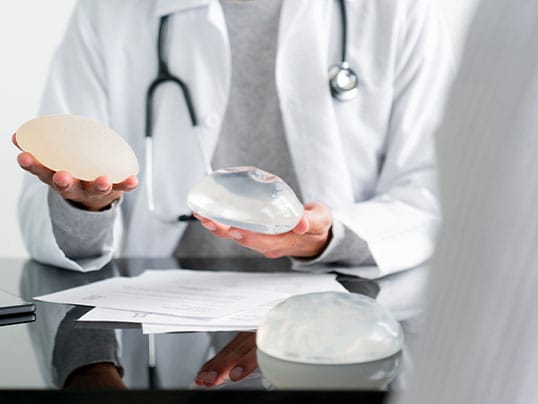
Understanding Motiva breast implants
When we talk about Motiva breast implants for breast augmentation, the first thing to understand is their design philosophy: a smooth, nanosurface shell (often called SmoothSilk or SilkSurface) paired with advanced, cohesive silicone gel. In plain English, the shell is engineered to be smooth at the macro level but subtly textured at the microscopic level, which aims to reduce inflammation and scarring around the implant while allowing soft, natural movement. Inside, Motiva’s ProgressiveGel families vary in cohesivity—think “firm Jell-O vs. softer Jell-O”—to influence shape retention and feel.
Your Style Options
Two of the most discussed styles are Motiva Round and Motiva Ergonomix. Round implants tend to hold a more consistently full upper pole, while Ergonomix are designed to behave dynamically: they’re fuller at the bottom when you’re standing and rounder when you’re lying down, mimicking natural breast movement. Many of my athletic patients who want a soft, “unoperated” look gravitate to Motiva Ergonomix implants, while patients who want more structured upper-pole fullness might prefer Motiva Round implants. Sizes span widely; for example, a 295cc implant can be perfect for someone with a 12.0–12.5 cm breast base width aiming for a proportional C-cup, whereas someone with a wider chest or a desire for a more dramatic change may choose 365cc or 405cc.
A few technical features are worth mentioning. The shell has a multi-layer barrier designed to minimize gel diffusion, and the BluSeal indicator provides a visual cue to the surgeon that the barrier is intact before implantation. There’s also an optional Q Inside Safety Technology microtransponder—an RFID chip that lets a provider scan and confirm your implant model noninvasively. Some patients love the traceability; others decline it for privacy. Either way, the implant’s feel, shape, and surgical planning remain the core of your result.
What to Expect During Treatment
Your breast augmentation starts with a thorough consultation where we talk about your goals and I perform a careful exam. I take precise measurements—like the width of your chest, the thickness of your breast tissue, and the distance from your nipple to the fold under your breast—so we can choose an implant that fits your body naturally. For example, if your measurements point toward two good options, I might show you the differences between a 295 cc implant with a softer, more subtle projection and a 330 cc implant with a bit more fullness. We’ll also go over where the implant will sit—most often partially under the chest muscle to balance coverage and shape—and the incision location, which is typically in the crease under the breast for the best precision and long-term results.
Surgery Day
On surgery day, you’ll arrive fasting and meet with the anesthesia team. Most breast augmentations take 60–90 minutes under general anesthesia with an LMA or endotracheal tube. I make a precise inframammary incision, often about 3.5 cm, create a meticulous pocket, irrigate with antibiotic solution, and place the Motiva implant using a no-touch technique. The implant can be delivered with a funnel to minimize contact and reduce incision length. If your natural fold needs adjustment, I may lower it 1.0–1.5 cm to center the implant behind the nipple and balance proportions. All of this is planned ahead of time using your measurements, so we don’t “guess” in the operating room.
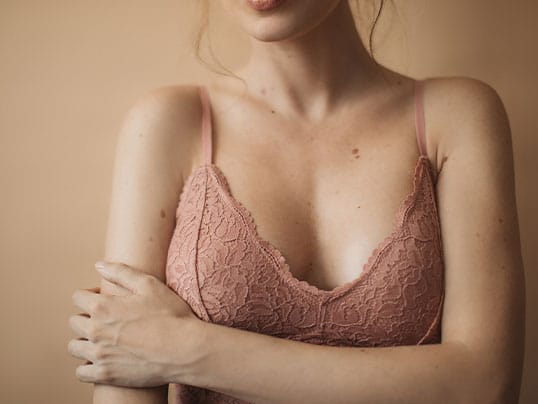
Before you leave, I’ll place you in a soft, front-closure surgical bra and review your early recovery plan. You’ll have my team’s contact information for any questions that arise at home. We’ll confirm your follow-up visits—typically at 24 hours, 7 days, 6 weeks, and then periodically from 3 months onward—so we can guide your implant settling and scar care step-by-step.
Recovery and Results
First Few Days
The first 48–72 hours are the tightest. Expect chest pressure, muscle soreness (especially with dual-plane pockets), and a feeling like you’ve done an intense workout. Most patients manage this with a protocol that can include anti-inflammatories, a few days of prescribed pain medication, and muscle relaxants if needed. Swelling is visible immediately and starts to soften by 10–14 days; bruising, if present, typically fades over the same timeframe. Desk work is often possible at 3–5 days, while jobs requiring heavy lifting should wait until at least 3–4 weeks.
Weeks 2-6
Between weeks 2 and 6, implants begin to “drop and fluff,” meaning they settle lower as the lower pole relaxes and the upper pole softens. I usually allow exercise beginning at 14 days after a follow up visit to confirm that everything is healing as expected. Avoid underwire bras for 6 weeks to protect the incision and fold; a supportive, non-underwire bra or the surgical bra is best. Scars evolve from pink to light over 6–12 months; silicone taping and sun protection help tremendously.
Long-Term Results
Results mature from 8–12 weeks, with continued refinement up to 6 months. Motiva’s softer gels can feel remarkably natural once the tissues relax, particularly in Ergonomix. Minor, real-world bumps can happen, like temporary nipple sensitivity changes or a small, firm “stitch knot” near the incision that smooths out with time. Rarely, mild edge rippling can be palpable in very thin patients, especially at the outer breast if soft-tissue coverage is limited. We’ll monitor all of this together and adjust massage, bra support, and activity as needed.
Frequently Asked Questions
Are Motiva breast implants safe?
Modern silicone implants in general have a strong safety profile when selected and placed correctly. Motiva’s nanosurface is designed to minimize chronic inflammation while maintaining a smooth-macro feel. While no implant is risk-free, current international data suggest low rates of capsular contracture when combined with clean technique and appropriate pocket selection. Professional guidelines from professional reference indicate that BIA-ALCL has been associated primarily with macrotextured devices; Motiva’s surface isn’t macrotextured. That said, safety is a combination of device, surgical technique, and aftercare, and we discuss all known risks in consultation.
How long do they last, and how will I monitor them?
Implants aren’t lifetime devices. Many patients enjoy 10–15 years or more without issues, but you should plan on periodic check-ins. I recommend routine clinical exams and, when appropriate, imaging like ultrasound or MRI to look for silent rupture. If a rupture occurs with a cohesive gel, the gel tends to stay in place, and the BluSeal barrier helps limit migration, but the implant should still be replaced. If you choose the optional microchip, it simply helps identify the model and size during follow-ups without extra paperwork.
What do they cost, and are they available here?
In South Florida, a straightforward primary augmentation typically runs $8,000–12,000, which includes the surgeon’s fee, anesthesia, and accredited facility costs. Final pricing depends on factors like implant type, whether we need to modify the fold, and any additional procedures. Industry standards outlined in professional standards show that availability can vary by region based on regulatory status and distributor supply, so we’ll confirm options during your consult at our office at Fort Lauderdale, Florida. If you’re comparison shopping or want to start an inquiry online, visit inspireaesthetics.com and we’ll guide you through timelines and financing.
Can I breastfeed or feel my nipples afterward?
Most patients can breastfeed after an inframammary approach because the ducts aren’t directly cut. Sensation changes are common early and usually improve as swelling fades over 10–14 days; a small percentage of patients may have longer-lasting sensitivity changes. We plan incision placement and pocket type to minimize these risks and discuss them in detail at your measurement session.
Making Your Decision
The “right” implant is the one that fits your chest measurements, your lifestyle, and your aesthetic goals. In consultation, I’ll show you how a 295cc implant compares with a 330cc option on your own 3D images and how a 3.2 cm vs. 4.0 cm projection changes upper-pole fullness. We’ll pick a pocket and incision that protect your anatomy, consider whether Ergonomix’s dynamic gel or a Round profile better suits your look, and map out a recovery plan that aligns with your work and workout schedule.
Equally important is the team and setting. Surgery should be done in an accredited facility with strict sterile protocols, pocket irrigation, and a no-touch insertion technique. Those details, more than brand alone, drive smooth recoveries and pretty, symmetric outcomes. If you’re weighing pros and cons or trying to decide between “just right” volume and “a little extra,” we can try sizers during your fitting to calibrate expectations and minimize second-guessing afterward.
Get Started Today
If you’re ready to explore Motiva breast implants in person or compare your options, schedule a consult at our office at Fort Lauderdale, Florida, or start with photos and education at inspireaesthetics.com. My goal is to give you clear information, precise planning, and a result that looks like you—only more confident—within a realistic timeline and budget you can feel good about.

Written by: Dr. Daniel Crane
Board-Certified Plastic Surgeon, Inspire Aesthetics
About Dr. Crane